Wednesday, June 24

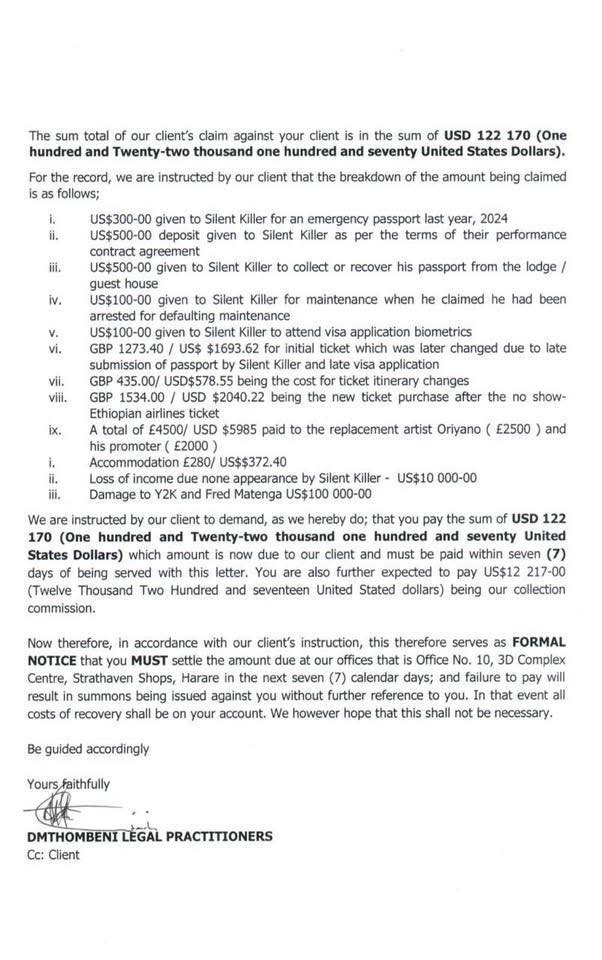
Y2K Promotions Irikuda USD 122K From Silent Killer Wakaramba Kukwira Ndege Kuuya KuShow Ku UK

Y2K Promotions Irikuda USD 122K From Silent Killer Wakaramba Kukwira Ndege Kuuya KuShow Ku UKY2K Entertainment the organizers of SAMA Festival in Uk are making demands for USD$122K from musician Silent Killer (To be paid in 7 Days) for alleged breach of contract, loss of income & damage to their reputation.

  • Share:

Info News

Home Equity Loan vs. HELOC: Which Option Is Better?

Homeowners who have built equity may be able to borrow against their home through a home equity loan or a home equity line of credit, commonly called a HELOC. Both options use the home as collateral, but they work differently.

rnrn

A home equity loan provides a lump sum of money that is repaid over a set term with regular monthly payments. Many home equity loans have fixed interest rates, which makes payments predictable. This can be useful for one-time expenses such as a major home improvement project, debt consolidation, or a large planned purchase.

rnrn

A HELOC works more like a credit card. The lender gives you access to a line of credit, and you can borrow as needed during the draw period. HELOCs often have variable interest rates, meaning the payment can rise or fall over time. This flexibility can be useful for ongoing projects or uncertain expenses.

rnrn

The main advantage of a home equity loan is stability. You know how much you borrowed, what your payment is, and when the loan will be paid off. The main disadvantage is that you receive the full amount upfront, even if you do not need all of it immediately.

rnrn

The main advantage of a HELOC is flexibility. You can borrow only what you need, when you need it. The main risk is that variable rates can make payments unpredictable. Some borrowers may also be tempted to keep borrowing, which can increase debt.

rnrn

Before choosing either option, consider the risk. Because the loan is secured by your home, failure to repay could put your home at risk. Borrowing against home equity should be done carefully and for a clear financial purpose.

rnrn

Compare interest rates, fees, repayment terms, draw periods, closing costs, and whether the rate is fixed or variable. Also ask whether there are annual fees, early closure fees, or minimum withdrawal requirements.

rnrn

Home equity borrowing may make sense for improvements that increase property value or for consolidating high-interest debt with a clear repayment plan. It may not be wise for unnecessary spending or short-term lifestyle purchases.

rnrn

The best option depends on your goals. Choose a home equity loan if you need a fixed amount and predictable payment. Choose a HELOC if you need flexible access to funds over time.

rnrn

Before borrowing, compare lenders and review the full cost carefully.

rn

Health Insurance for Self-Employed Workers

Health Insurance for Self-Employed Workers

Self-employed workers must find their own health coverage. Without an employer plan, choosing insurance can feel difficult. Health insurance for self-employed workers may include marketplace plans, private health insurance, spouse coverage, or small business plans.

The right plan depends on your income, medical needs, prescriptions, doctors, and budget.

What to Compare

When shopping for private health insurance, compare premiums, deductibles, copays, out-of-pocket maximums, prescription coverage, and provider networks.

A low monthly premium may look attractive, but high deductibles can become expensive if you need care.

Ways to Save

Self-employed workers may qualify for tax deductions or premium tax credits depending on income and location. Comparing health insurance quotes can help find better pricing.

Conclusion

Health insurance is important for protecting your finances. Self-employed workers should compare plans carefully before choosing coverage.