Tuesday, September 08

Zim Social Media Network Becomes The Fasted Growing Media House In Zimbabwe Secures Facebook Small Business Grant

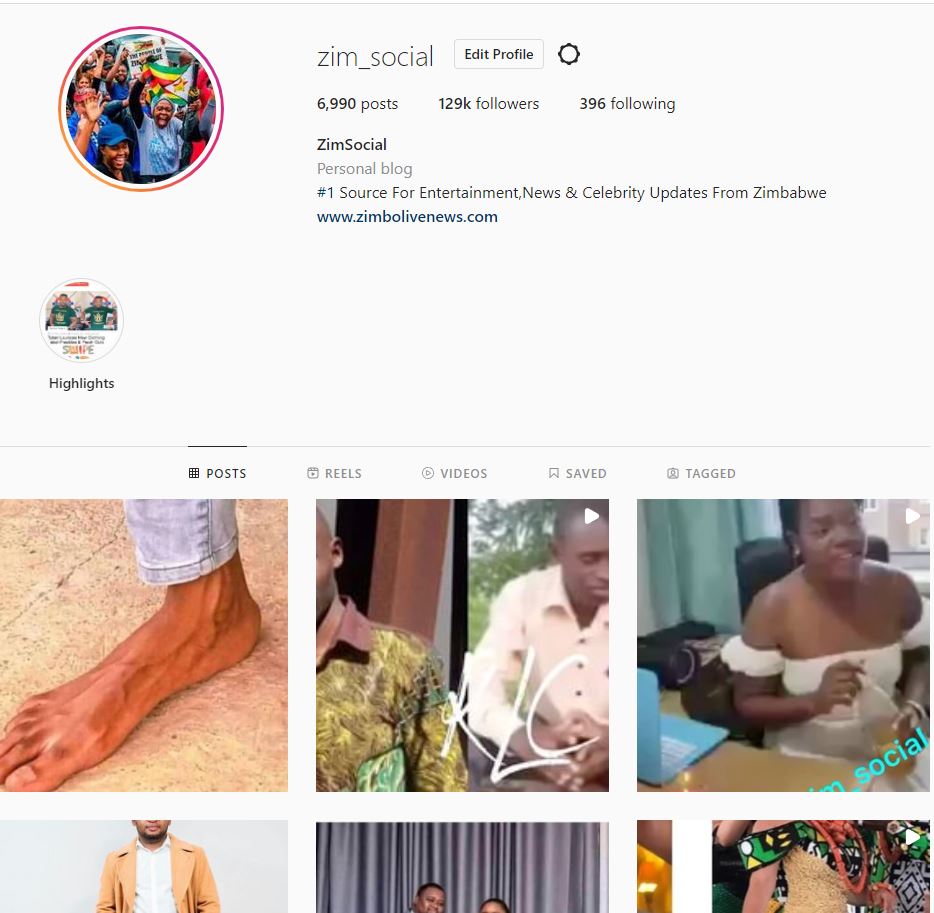
Founded in 2019 by a team of social influencers In Zimbabwe, South Africa, UK, Canada & USA Zim Social News has become one of the biggest and fasted growing media houses in Zimbabwe. Zim Social News has platforms on Facebook with over 10 Facebook pages each with a least 150K followers and 4 Instagram pages with a minimum of 50k followers and 2 TikTok accounts with 500k and 750k followers and 4 news websites.

Majority of people consuming news and entertainment from Zim Social are from Zimbabwe, South Africa, UK, Australia , Canada and the USA. What makes this media platform different from the rest is its diversity by having multiple platforms to share content. 70% posts posted on the Zim Social network go viral and have a reach averaging 100k.

Zim Social Media Network is a none profit organisation and its goal is to provide  independent news & entertartainment to Zimbabweans accross the world. Facebook had noticed Zim Social Media News work and has granted  the network The Facebook Small Business Grants Program for Black-Owned Businesses, The grants program is a part of Facebook's overall commitment to invest $100 million this year in the Black community

 This is huge news as Zim Social Media Network will be able to hire more reporters to poost and publish more content for yor enjoyment. from the Zim Social Media Network team thank you Zimbabwe for the support.

Below is a link to our Instagram Account

https://www.instagram.com/zim_social/

  • Share:

Info News

SEO Meta Title Health Insurance for Self-Employed: Plan Comparison Guide

Self-employed workers face a different health insurance challenge than employees with a company plan. Freelancers, consultants, rideshare drivers, small business owners, real estate agents, and independent contractors must compare coverage, costs, networks, and tax issues on their own. The best plan is not always the cheapest monthly premium. It is the plan that fits your health needs, budget, doctors, prescriptions, and risk tolerance.

Start with the total yearly cost, not just the premium. The monthly premium is the amount you pay to keep coverage active, but it is only one part of the expense. You also need to review the deductible, copays, coinsurance, out-of-pocket maximum, prescription costs, and whether your preferred doctors are in network. A low premium plan can be expensive if you need frequent care and the deductible is high.

Plan networks matter. Health maintenance organization plans may have lower premiums but may require you to use a narrower network and choose a primary care doctor. Preferred provider organization plans may offer more flexibility but often cost more. Exclusive provider organization plans and point-of-service plans have their own rules. Before enrolling, search the insurer's current provider directory and confirm directly with important doctors because directories can change.

Prescription coverage can make or break a plan. Review the formulary, which is the insurer's list of covered drugs. Check whether your medications are generic, preferred brand, non-preferred brand, or specialty tier. Also look for prior authorization, step therapy, and quantity limits. A plan with a lower premium can become costly if a key medication is not covered well.

If you rarely visit the doctor and mainly want protection against major medical bills, a higher deductible plan may be worth considering. Some high-deductible plans can be paired with a health savings account if they meet specific rules. A health savings account may offer tax advantages, but eligibility and contribution limits can change, so verify current rules with a qualified tax professional or official sources.

If you expect surgery, pregnancy care, ongoing prescriptions, specialist visits, physical therapy, or regular mental health care, a higher premium plan with lower out-of-pocket costs may be smarter. The best comparison is to estimate your likely yearly medical use and calculate what you would pay under each plan.

Self-employed people should also review subsidies and tax deductions. Depending on income and household size, marketplace plans may qualify for premium tax credits. Income estimates are important because overestimating or underestimating can affect costs and reconciliation at tax time. Self-employed health insurance deductions may also be available, but rules depend on your business structure, profit, other coverage access, and tax situation.

Do not ignore dental and vision coverage. Marketplace medical plans may not include adult dental or vision benefits. If those services matter to you, compare standalone plans or discount programs. Also review whether children need pediatric dental coverage.

Short-term health plans, health care sharing ministries, and limited benefit plans may look attractive because of lower monthly costs, but they may not cover pre-existing conditions, essential health benefits, prescriptions, maternity care, mental health, or major claims the way comprehensive health insurance does. Read exclusions carefully before choosing a nontraditional option.

Open enrollment deadlines are important. You usually need a qualifying life event to enroll outside the regular window. Examples may include losing other coverage, moving, marriage, divorce, birth, adoption, or certain income changes. Rules vary, so check official marketplace guidance for your state.

When comparing plans, make a simple worksheet with columns for premium, deductible, out-of-pocket maximum, primary care copay, specialist copay, urgent care, emergency room, prescription tiers, network type, key doctors, key medications, and estimated annual cost. This turns a confusing decision into a side-by-side comparison.

Health insurance is a financial planning decision as much as a medical decision. Self-employed workers need coverage that protects their health and their business income. A plan that keeps care accessible can prevent a medical issue from becoming a financial crisis.

Artificial Intelligence and the Future of Human Civilization

Artificial Intelligence (AI) has become one of the most transformative technologies in human history. From healthcare and education to banking and transportation, AI systems are changing how people live, work, and communicate. Businesses worldwide are investing heavily in machine learning, automation, robotics, and data analysis technologies designed to improve efficiency and reduce operational costs. Experts believe artificial intelligence will continue reshaping industries over the next several decades, making it one of the most important topics in modern society.

rnrn

One of the biggest advantages of artificial intelligence is its ability to process enormous amounts of information quickly and accurately. In healthcare, AI-powered systems assist doctors with medical diagnoses, patient monitoring, and drug development. Hospitals use machine learning tools to identify diseases earlier and improve treatment outcomes. In education, AI-driven learning platforms personalize lessons for students based on their strengths and weaknesses, helping improve academic performance.

rnrn

The business sector has also experienced major changes due to AI innovation. Companies use artificial intelligence to automate customer service, detect fraud, improve cybersecurity, and optimize marketing campaigns. Online shopping platforms rely on AI algorithms to recommend products to customers based on browsing history and preferences. Social media companies also use machine learning systems to personalize content and advertisements for users worldwide.

rnrn

Despite its advantages, artificial intelligence raises serious concerns about privacy, job displacement, and ethical responsibility. Many workers fear automation could replace traditional jobs, especially in manufacturing and administrative sectors. Experts argue that governments and educational institutions must invest in digital skills training to prepare workers for future employment opportunities. Responsible AI development and proper regulation will play a critical role in ensuring that technology benefits society while minimizing risks.

rn