

Monday, June 01

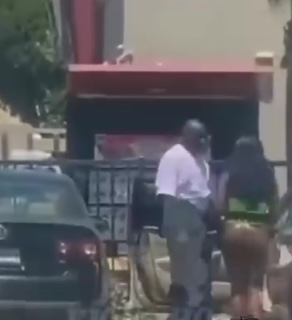
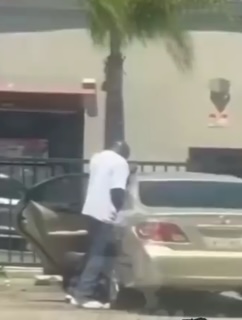
Minister Vavhura Hombe Ku Sam Levy

Minister vobatwa vachidya bota ku sam Levy Village , the unnamed minister had been drinking at a local pub. When he left with his companion he was seen Vachitodya bota pa motor .

  • Share:

Info News

First Offense DUI Lawyer: What Happens After a First DUI Charge?

first offense DUI lawyer, first DUI attorney, first DUI charge, first time DUI lawyer, DUI first offense penalties, drunk driving first offense

rnrn

First Offense DUI Lawyer: What Happens After a First DUI Charge?

rnrn

A first DUI arrest can be frightening, especially if you have never been in trouble before. You may worry about jail, losing your license, your job, your insurance, and whether you will have a permanent criminal record.

rnrn

A first offense DUI lawyer can explain what happens next and help you avoid mistakes that may make the situation worse.

rnrn

Even a first DUI can carry serious consequences. Do not assume the court will automatically go easy because it is your first arrest.

rnrn

Is a First DUI a Criminal Charge?

rnrn

In many states, a first DUI is a misdemeanor, but that does not mean it is minor.

rnrn

A conviction may lead to:

rnrn

Fines
rnCourt costs
rnProbation
rnAlcohol education classes
rnLicense suspension
rnIgnition interlock device
rnCommunity service
rnJail exposure
rnCriminal record
rnHigher insurance premiums

rnrn

Penalties vary by state and by facts such as blood alcohol level, accident involvement, refusal to test, injuries, minors in the vehicle, and prior history.

rnrn

What Happens After the Arrest?

rnrn

A first DUI case may involve two separate tracks.

rnrn

Criminal Court Case

rnrn

This is where the DUI charge is handled. The court may address guilt, innocence, plea options, sentencing, probation, and other penalties.

rnrn

Driver’s License Case

rnrn

The license issue may be handled separately through the motor vehicle agency or administrative hearing process.

rnrn

This is important because you may have a short deadline to request a license hearing.

rnrn

Why You Should Act Quickly

rnrn

After a DUI arrest, deadlines may come fast.

rnrn

You may need to:

rnrn

Request an administrative hearing
rnAppear in court
rnPreserve video evidence
rnObtain police reports
rnReview test results
rnEnroll in required programs
rnAvoid license suspension mistakes

rnrn

Missing a deadline can limit your options.

rnrn

Can a First DUI Be Dismissed?

rnrn

Sometimes charges are dismissed, reduced, or resolved in a different way, but it depends on the facts and the law.

rnrn

Possible defense issues include:

rnrn

Illegal traffic stop
rnNo probable cause for arrest
rnImproper field sobriety testing
rnBreath test problems
rnBlood test chain-of-custody issues
rnMedical conditions affecting results
rnOfficer procedure errors
rnLack of proof of impairment

rnrn

A lawyer must review the evidence before giving realistic guidance.

rnrn

What About Breath Test Results?

rnrn

Breath test evidence can be important, but it is not always perfect.

rnrn

A DUI lawyer may review:

rnrn

Machine calibration
rnMaintenance records
rnOfficer certification
rnObservation period
rnMouth alcohol issues
rnTesting procedure
rnTiming of the test
rnBreath sample quality

rnrn

The legal blood alcohol concentration limit is commonly .08 in many U.S. jurisdictions, but state law can vary and additional rules may apply for commercial drivers, underage drivers, and high-BAC cases. NHTSA provides national drunk-driving safety resources and state-focused impaired-driving guidance.

rnrn

What If You Refused a Breath or Blood Test?

rnrn

Refusal can create additional consequences, especially for your license.

rnrn

Many states have implied consent laws. That means drivers may face license penalties for refusing chemical testing after a lawful DUI arrest.

rnrn

A lawyer can help review whether the refusal was legally valid and what defenses may apply.

rnrn

Will You Need an Ignition Interlock?

rnrn

An ignition interlock device may be required in some DUI cases. NHTSA explains that an alcohol ignition interlock prevents a vehicle from starting or operating unless the driver provides a breath sample below a preset level, often used as a condition for driving after alcohol-related offenses.

rnrn

Rules vary by state, offense level, and court order.

rnrn

Can You Drive After a First DUI?

rnrn

Maybe, but it depends on your state, license status, administrative deadlines, and whether you qualify for restricted driving privileges.

rnrn

A lawyer can help you understand:

rnrn

Whether your license is suspended
rnWhether you can request a hearing
rnWhether temporary driving privileges apply
rnWhether you need an interlock
rnWhether you qualify for a hardship license

rnrn

Do not guess. Driving on a suspended license can create new charges.

rnrn

Final Thoughts

rnrn

A first DUI is serious, but it is also a situation where early action matters.

rnrn

A first offense DUI lawyer can review the stop, test results, police reports, license deadlines, and court options. The goal is to protect your rights and reduce avoidable damage to your future.

rn

Solar Energy Solutions in 2026: How to Save Money and Invest in Renewable Power

Introduction

rnrn

Solar energy is rapidly becoming one of the most popular renewable energy solutions. Homeowners and businesses searching for “solar panel installation” are often ready to invest in long-term savings.

rnrn
rn

How Solar Energy Works

rnrn

Solar panels convert sunlight into electricity using photovoltaic cells.

rnrn
rn

Benefits

rnrn
    rn
  • Lower electricity bills
  • rn
  • Environmental sustainability
  • rn
  • Government incentives
  • rn
rnrn
rn

Costs and ROI

rnrn

Initial investment can be high, but long-term savings offset costs.

rnrn
rn

Choosing a Solar Provider

rnrn

Look for certifications, warranties, and experience.

rnrn
rn

Future Trends

rnrn

Battery storage and smart grids.

rnrn
rn

FAQ

rnrn

Are solar panels worth it?
rnYes, especially with incentives.

rn