Monday, November 23

Johanne Marange Apostolic Member Woita Mukadzi Wake Bofu For Leaving The Church

In a rather bizarre case, a member of the Johanne Marange Apostolic sect has blinded his wife of 50 years for  betraying him by leaving the church.

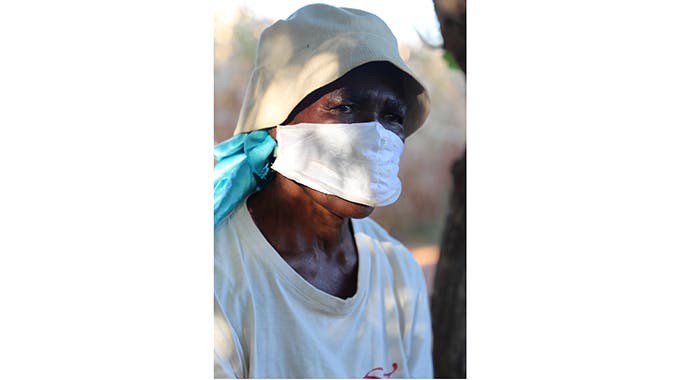
An unrepentant Andrew Feshiti admitted to causing his wife’s blindness and bragged that she will only be healed if she comes back to the church.The rather bizarre case came out after 80-year-old Gogo Farasia Feshiti approached Chief Saunyama’s traditional court seeking recourse.

Gogo Farasia who is now partially blind accused her husband of causing the blindness as a means of punishing her for leaving the church.

She said that she left the church last year when she discovered that her husband is into the occult and possesses goblins to enable him to be powerful and to be feared in the church and in the community.

The octagenarian further alleged that her husband had given over one of their daughters to the goblins. According to the anguished Gogo Farasia, as a result of this unholy covenant, the daughter had been married and widowed 3 times.

She said that since she left the church, she is being tormented by her husband’s goblins which are now sexually abusing her.

“I have since left my matrimonial home, I’m now staying with my daughter and the goblins have decided to punish me with blindness.

“The goblins tell me point blank that I belong to them and that if I keep resisting their advances, they will kill me.”
Feshiti who was at the court was unmoved by his wife’s anguish and freely confessed to causing the blindness. He accused his wife of betraying him and warned that there is a price to pay for such a betrayal.

In a chilling declaration, the elderly man said,

“What makes her think that she can leave it and get away with such betrayal?

“There is a price to pay and in this case, it is her sight. What I have is mightier than what she has and she should not try stopping me, otherwise, she will lose,”

“I am a holy man and this curse will only be removed if she repents and reverts back to be our church member. God blessed my actions,” he said.


Feshiti then told the court officials not to summon him to court without seeking the approval of the leadership of the Johanne Marange Apostolic sect. He claimed that the church’s tenets do not allow him to attend court sessions.

True to his word, Feshiti did not attend the next court hearing. Chief Saunyama has since written to the Johanne Marange Apostolic Church leaders asking for Feshiti to be directed to appear before the court.

The matter is still ongoing.

  • Share:

Info News

Home Security Systems in 2026: The Complete Guide to Protecting Your Home and Family

Introduction: Why Home Security Is More Important Than Ever

rnrn

Home security systems have become an essential part of modern living. With rising concerns about property crime, package theft, and personal safety, homeowners are actively searching for the best home security systems to protect their families and assets. Advances in smart technology have made it easier than ever to monitor your home from anywhere in the world.

rnrn

Searches like “home security systems near me” and “best smart security cameras” are high CPC because users are often ready to purchase. Whether you live in a city or a rural area, investing in a reliable security system can significantly reduce risk and provide peace of mind.

rnrn
rn

What Is a Home Security System?

rnrn

A home security system is a network of devices designed to detect and prevent unauthorized access to your property. These systems typically include cameras, motion detectors, alarms, and smart locks that work together to monitor your home.

rnrn

Modern systems are often connected to mobile apps, allowing homeowners to receive real-time alerts and control devices remotely. This level of convenience and control has made smart security solutions increasingly popular.

rnrn
rn

Key Components of a Modern Security System

rnrn

A comprehensive home security setup usually includes:

rnrn
    rn
  • Security Cameras: Indoor and outdoor cameras provide video surveillance
  • rn
  • Motion Sensors: Detect movement and trigger alerts
  • rn
  • Door and Window Sensors: Monitor entry points
  • rn
  • Smart Locks: Allow remote access control
  • rn
  • Alarm Systems: Sound alerts during unauthorized entry
  • rn
rnrn

These components work together to create a layered security approach.

rnrn
rn

Benefits of Installing a Home Security System

rnrn

Installing a home security system offers multiple advantages:

rnrn
    rn
  • Crime Deterrence: Visible cameras discourage intruders
  • rn
  • Remote Monitoring: Check your home anytime from your smartphone
  • rn
  • Emergency Alerts: Receive notifications for suspicious activity
  • rn
  • Insurance Discounts: Some providers offer reduced premiums
  • rn
rnrn

These benefits make home security a valuable investment.

rnrn
rn

Smart Home Integration

rnrn

Modern security systems often integrate with smart home devices such as voice assistants and lighting systems. This allows homeowners to automate routines, such as turning lights on when motion is detected.

rnrn

Integration enhances convenience while improving overall security effectiveness.

rnrn
rn

How to Choose the Best Home Security System

rnrn

When selecting a system, consider:

rnrn
    rn
  • Ease of installation
  • rn
  • Monthly monitoring costs
  • rn
  • Video quality
  • rn
  • Storage options
  • rn
  • Customer support
  • rn
rnrn

Keywords like “best home security system 2026” attract high-intent buyers, making this niche highly profitable.

rnrn
rn

DIY vs Professional Installation

rnrn

DIY systems are cost-effective and easy to install, while professionally installed systems offer advanced features and monitoring services.

rnrn

Choosing the right option depends on your budget and security needs.

rnrn
rn

Common Mistakes to Avoid

rnrn
    rn
  • Placing cameras in ineffective locations
  • rn
  • Ignoring software updates
  • rn
  • Using weak passwords
  • rn
  • Not testing the system regularly
  • rn
rnrn

Avoiding these mistakes ensures maximum protection.

rnrn
rn

Future Trends in Home Security

rnrn

The future of home security includes:

rnrn
    rn
  • AI-powered surveillance
  • rn
  • Facial recognition technology
  • rn
  • Smart neighborhood monitoring
  • rn
  • Integration with renewable energy systems
  • rn
rnrn

These innovations will make homes safer and more efficient.

rnrn
rn

FAQ

rnrn

Are home security systems worth it?
rnYes, they significantly reduce the risk of theft and provide peace of mind.

rnrn

Do security cameras work without Wi-Fi?
rnSome systems offer local storage, but Wi-Fi enhances functionality.

rnrn
rn

Security Insight

rnrn

Searches like “best home security systems” and “smart home security cameras” attract high CPC traffic because users are ready to invest in safety solutions.

rnrn
rn

Important Information

rnrn

This content is for informational purposes only and not professional advice.

rn

High-Yield Savings vs CDs: Emergency Cash Comparison

Emergency cash should be safe, accessible, and separated from everyday spending. That is why many people compare high-yield savings accounts and certificates of deposit. Both can pay interest, both can be offered by banks or credit unions, and both can be useful. But they are not designed for the same purpose.

A high-yield savings account is a deposit account that typically pays a higher interest rate than a traditional savings account. It is designed for liquidity. You can usually transfer money when needed, making it a good option for emergency funds, short-term savings, tax reserves, travel funds, and upcoming bills.

A certificate of deposit, or CD, is a time deposit. You agree to leave money with the bank or credit union for a set term, such as a few months or several years. In exchange, the institution may offer a fixed rate. If you withdraw early, you may pay an early withdrawal penalty. That makes CDs less flexible than savings accounts but potentially useful for money you do not need immediately.

The first question is purpose. If the money is truly for emergencies, access matters more than chasing the highest rate. A job loss, car repair, medical bill, or home repair may require quick cash. A high-yield savings account is usually better for the core emergency fund because it keeps money available.

CDs can work for extra cash beyond the basic emergency fund. For example, if you want to earn interest on money set aside for a future down payment, tuition bill, or planned purchase, a CD can help lock in a rate. Some savers use a CD ladder, dividing money among several CDs with different maturity dates. This creates periodic access while still earning fixed rates.

Interest rate risk matters. A high-yield savings rate can change at any time. When market rates fall, the account yield may fall too. A CD rate is usually fixed for the term, which can be helpful if rates decline after you open it. But if rates rise, your money may be locked into a lower rate unless you accept a penalty or use special CD types.

Liquidity is the biggest difference. Savings accounts usually allow easier transfers, although banks may have transaction policies and processing times. CDs restrict access until maturity. Before opening a CD, ask how the early withdrawal penalty is calculated and whether partial withdrawals are allowed.

Fees should also be reviewed. Some savings accounts have monthly maintenance fees, minimum balance requirements, excessive transaction fees, or transfer limitations. Many online banks offer no monthly fee, but you should still read the account agreement. CDs may have fewer monthly fees but can have penalties for early withdrawal.

Safety depends on where the money is held. Bank deposits may be insured by the FDIC, and credit union deposits may be insured by the NCUA, within applicable limits and ownership categories. Always confirm that the institution is insured and understand coverage limits if you keep large balances.

Convenience is another factor. A high-yield online savings account may pay more than a traditional local bank, but transfers to your checking account may take time. Some people keep one month of expenses at their local bank and the rest in a higher-yield account. This balances access and return.

Taxes should not be ignored. Interest from savings accounts and CDs is generally taxable. The institution may issue a tax form, but you are responsible for reporting income according to tax rules. A tax professional can help with your specific situation.

A practical approach is to keep the first layer of emergency cash in checking or a linked savings account, the main emergency fund in high-yield savings, and longer-term cash goals in CDs or treasury-style alternatives if appropriate. The best mix depends on how stable your income is, how many dependents you support, and how quickly you might need the money.

High-yield savings and CDs are not rivals; they are tools. Savings accounts solve access. CDs solve rate certainty for money that can sit. When you match the account to the purpose, your cash can stay safer, more organized, and more productive.