Monday, June 01

Jah Prayzah, Mtukudzi, ExQ, Winky D Top List Of Most Played Musicians

Jah Prayzah, Mtukudzi, ExQ, Winky D Top List Of Most Played Musicians

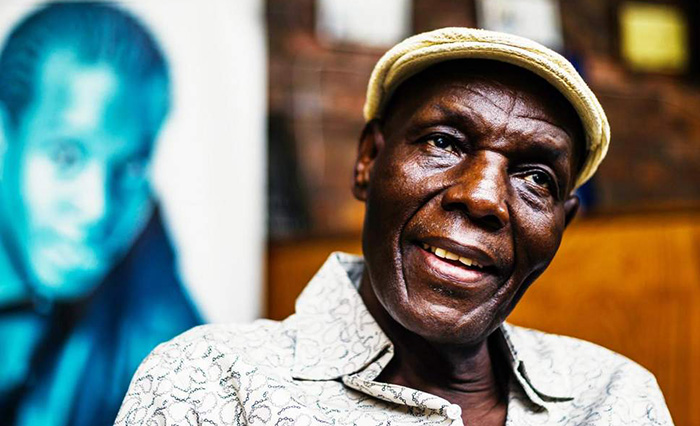
Contemporary musician Jah Prayzah, ExQ and Winky D as well as the late jazz icon Dr. Oliver Mtukudzi are at the summit of the Zimbabwe Music Rights Association (ZIMURA) top 20 most played musicians list.

The most recent list is based on data collected at the end of October from a number of local radio stations Jah Prayzah takes the crown as the leader of the list and is followed by the legendary Oliver Mtukudzi, ExQ, Winky D and Takura.

Freeman, Alick Macheso, Nutty O, Killer T, Andy Brown, Simon Chimbetu, Andy Muridzo, Lovemore Majaivana, Leonard Dembo, Baba Harare, Jeys Marabini, Madlela Skhobokhobo, Tongai Moyo, Sandra Ndebele and Soul Jah Love are also part of the top 20 list.

Polisile Ncube-Chimhini said this data was collected specifically from regional broadcasting stations.

“This distribution is particularly for regional broadcasting stations that include, 98.4 FM, Breeze FM, Capitalk FM, Diamond FM, Hevoi FM, Nyaminyami FM and Skyz Metro FM,” she said. She also added that she was pleased with the presence of a female artist in the list.

“In this current distribution, the ladies have ascertained their position with Sandra Ndebele sitting on position 19,” added Polisile.
She said national broadcasting company ZBC did not contribute to October’s statistics because all it’s radio stations distributed in June 2021.

“Zimura is excited to announce that this is our fourth distribution in 2021 including two mechanical rights distributions for digital platforms like YouTube, Facebook, Google, iTunes and many others,” she said.

The beginning of the year was not so good for Zimura as the organisation was involved in a squabble with some artists over unpaid royalties. The issues were resolved and now Zimura has paid up some outstanding royalties to artists. 

  • Share:

Info News

The Importance of Financial Literacy in Modern Society

Financial literacy is the ability to understand and manage personal finances effectively. It includes budgeting, saving, investing, debt management, and financial planning. In today’s economy, financial literacy has become increasingly important as individuals face rising living costs, complex financial products, and growing economic uncertainty.

rnrn

One of the key benefits of financial literacy is improved money management. Individuals who understand budgeting and saving strategies are better prepared to handle emergencies and achieve long-term financial goals. Financial education also helps consumers avoid excessive debt and make informed decisions regarding loans, mortgages, and investments.

rnrn

Many young adults struggle with financial management due to limited education about personal finance. Schools and educational institutions are increasingly recognizing the importance of teaching financial literacy to students. Topics such as credit scores, retirement planning, taxes, and responsible spending habits can help individuals build stronger financial futures.

rnrn

Technology has made financial management more accessible through mobile banking apps, investment platforms, and budgeting tools. Consumers can now monitor expenses, transfer money, and manage savings directly from smartphones. However, financial scams and online fraud continue increasing, making financial awareness even more essential.

rnrn

Experts emphasize that financial literacy contributes to economic stability and personal independence. Individuals who develop strong financial habits are more likely to achieve financial security and avoid long-term economic hardship.

rn

High-Yield Savings Accounts: Where to Invest Safely and Grow Your Money

If you’re looking for a safe place to grow your money without taking big risks, a high-yield savings account is one of the smartest options available today. Unlike traditional savings accounts that offer very low interest, high-yield accounts provide better returns while still keeping your money easily accessible. For many people, they strike the perfect balance between security and growth.

rnrn

In today’s uncertain economy, more individuals are moving their money into high-interest savings accounts to protect their cash while earning passive income. Whether you’re building an emergency fund, saving for a home, or just trying to make your money work harder, understanding how these accounts work can help you make better financial decisions.

rnrn

What Is a High-Yield Savings Account?

rnrn

A high-yield savings account is a type of bank account that offers a higher interest rate compared to standard savings accounts. These accounts are typically offered by online banks, which can afford to pay better rates because they have lower operating costs than traditional brick-and-mortar banks.

rnrn

The interest you earn is usually expressed as APY (annual percentage yield), which shows how much your money can grow over time. Even a small difference in APY can significantly impact your savings in the long run.

rnrn

Why More People Are Choosing High-Yield Savings Accounts

rnrn

One of the biggest reasons people switch to high-yield savings accounts is simple: better returns without added risk. Unlike stocks or crypto investments, your money is not exposed to market volatility.

rnrn

Another major benefit is liquidity. You can access your money when you need it, making these accounts ideal for emergency funds or short-term savings goals.

rnrn

There’s also peace of mind. Most high-yield savings accounts in the U.S. are insured by the Federal Deposit Insurance Corporation (FDIC), which protects your deposits up to certain limits. This means your money remains safe even if the bank faces issues.

rnrn

How Much Can You Earn?

rnrn

The amount you earn depends on the interest rate and how much you deposit. Compared to traditional accounts that may offer almost no interest, high-yield accounts can provide significantly better returns over time.

rnrn

For example, keeping a steady balance in a high-yield account allows your money to grow through compound interest—meaning you earn interest not just on your initial deposit, but also on the interest you’ve already earned.

rnrn

While it won’t make you rich overnight, it’s one of the safest ways to grow your savings consistently.

rnrn

What to Look for in a High-Yield Savings Account

rnrn

Not all accounts are the same, so it’s important to compare your options carefully. Here are a few key things to consider:

rnrn

1. Interest Rate (APY)

rnrn

Look for competitive rates, but also check if they are variable or fixed.

rnrn

2. Fees

rnrn

Some accounts charge monthly maintenance fees that can eat into your earnings. Ideally, choose a no-fee account.

rnrn

3. Minimum Balance Requirements

rnrn

Some banks require a minimum deposit to open or maintain the account.

rnrn

4. Accessibility

rnrn

Make sure the account allows easy transfers and withdrawals when needed.

rnrn

5. Bank Reputation

rnrn

Choose a trusted bank with strong customer reviews and reliable service.

rnrn

High-Yield Savings vs Other Investment Options

rnrn

High-yield savings accounts are often compared to other ways of growing money. While they don’t offer the high returns of stocks or real estate, they provide unmatched safety.

rnrn

Stocks: Higher returns but higher risk
rnCrypto: Very volatile and unpredictable
rnReal Estate: Long-term growth but requires large capital
rnSavings Accounts: Low risk, steady growth

rnrn

For many people, a high-yield savings account is a foundation—something you use alongside other investments.

rnrn

Best Uses for a High-Yield Savings Account

rnrn

These accounts are ideal for specific financial goals:

rnrn

Emergency funds
rnShort-term savings (vacations, large purchases)
rnDown payment for a home
rnBackup cash for unexpected expenses

rnrn

Because your money is safe and accessible, it’s perfect for situations where you don’t want to take risks.

rnrn

Common Mistakes to Avoid

rnrn

One common mistake is leaving money in a low-interest account without realizing better options exist. Over time, this can cost you a significant amount in lost earnings.

rnrn

Another mistake is chasing the highest rate without checking fees or conditions. A slightly lower rate with no fees can sometimes be a better deal.

rnrn

Also, avoid treating a savings account like a checking account. Frequent withdrawals can limit your growth and may come with restrictions.

rnrn

How to Get Started

rnrn

Opening a high-yield savings account is simple. Most banks allow you to apply online in just a few minutes. You’ll need basic information such as your ID, Social Security number, and an initial deposit.

rnrn

Once your account is set up, consider automating transfers from your checking account. This helps you build your savings consistently without thinking about it.

rnrn

Final Thoughts

rnrn

A high-yield savings account is one of the easiest and safest ways to grow your money. It won’t replace high-risk investments, but it plays an important role in any smart financial strategy.

rnrn

By choosing the right account, staying consistent with your savings, and avoiding unnecessary fees, you can build a strong financial foundation over time. In a world full of risky options, sometimes the smartest move is the one that protects your money while still helping it grow.

rnrn


rnrn

Financial professionals recommend using FDIC-insured banks, trusted financial institutions, and certified financial planning strategies when choosing savings accounts to ensure safety, reliability, and steady long-term growth.

rn