Friday, August 14

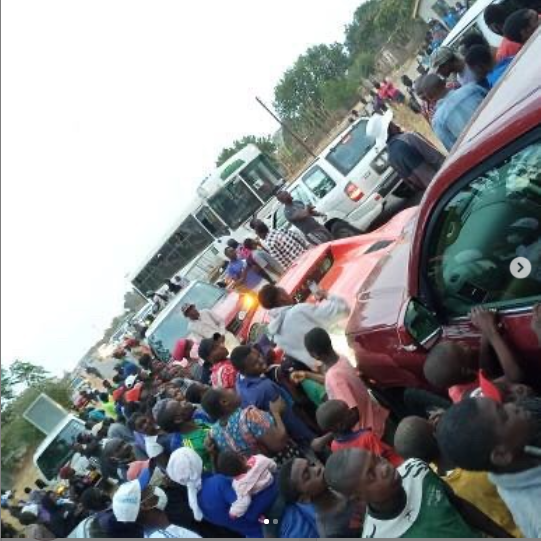
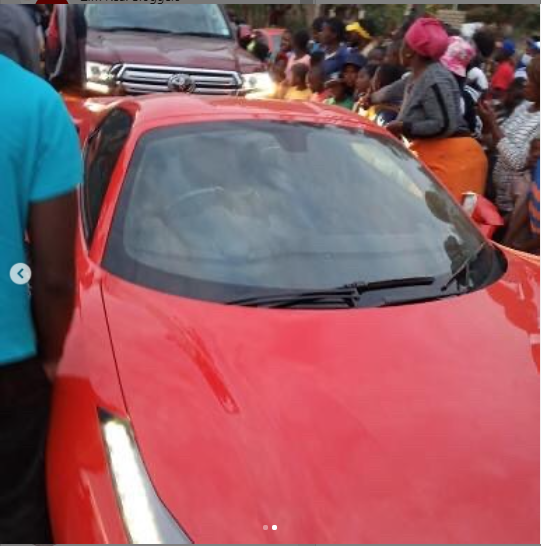
Ginimbi's Ferrari Yafa Yakwesherwa At Domboshava Mungate

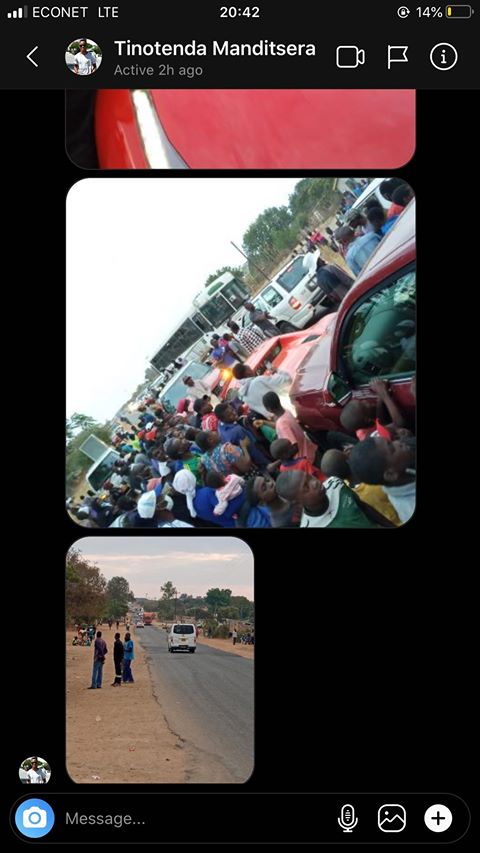
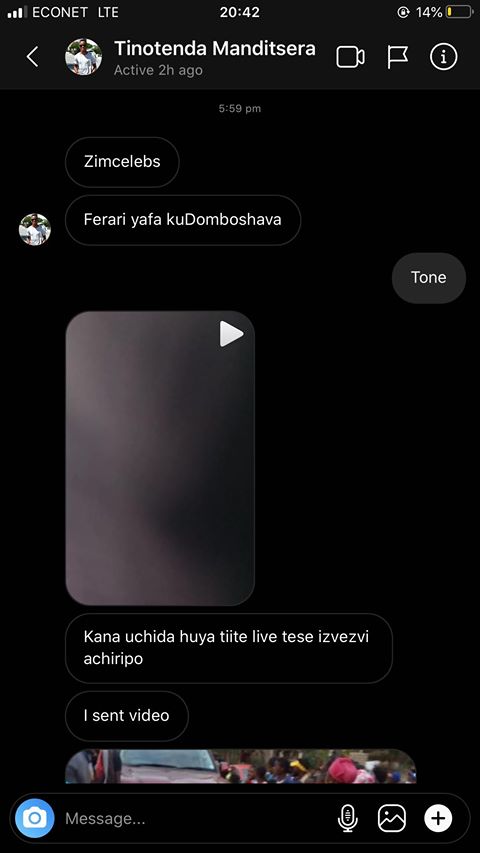
Reports coming out in the streets are that Ginimbis Ferrari yakwesherwa and yaramba kumuka see images from eye witnesses to the story.

  • Share:

Info News

DUI Lawyer Near Me: How to Choose the Right Attorney After a Drunk Driving Arrest

DUI lawyer near me, DUI attorney, drunk driving lawyer, DWI lawyer, DUI defense lawyer, best DUI lawyer, DUI arrest attorney

rnrn

DUI Lawyer Near Me: What to Do After a DUI Arrest

rnrn

A DUI arrest can affect your license, job, insurance rates, criminal record, and future. It can also move fast. You may have court dates, license deadlines, paperwork, and decisions to make before you fully understand what happened.

rnrn

That is why many people search for a DUI lawyer near me after being arrested for drunk driving or driving under the influence.

rnrn

A DUI lawyer helps you understand the charges, review the evidence, protect deadlines, and build a defense based on the facts of your case.

rnrn

DUI laws vary by state, so this article is general information only. You should speak with a licensed DUI attorney in your state for legal advice.

rnrn

What Does a DUI Lawyer Do?

rnrn

A DUI lawyer may help with:

rnrn

Reviewing the police stop
rnChecking whether the officer had legal grounds
rnReviewing field sobriety tests
rnAnalyzing breath test or blood test results
rnChallenging testing errors
rnRepresenting you in court
rnHandling license suspension hearings
rnNegotiating plea options
rnSeeking reduced penalties when available
rnPreparing for trial
rnExplaining ignition interlock requirements
rnHelping protect your driving privileges

rnrn

DUI cases are often technical. A lawyer may review body camera footage, breath machine records, police reports, chemical test procedures, and officer training.

rnrn

DUI vs. DWI: Is There a Difference?

rnrn

Different states use different terms.

rnrn

You may see:

rnrn

DUI: Driving Under the Influence
rnDWI: Driving While Intoxicated or Impaired
rnOWI: Operating While Intoxicated
rnOUI: Operating Under the Influence

rnrn

The exact meaning depends on the state. Some states use DUI and DWI differently, while others use one term for the main offense.

rnrn

Why DUI Charges Are Serious

rnrn

A DUI may create both criminal and administrative consequences.

rnrn

Possible consequences may include:

rnrn

Jail time
rnFines
rnCourt costs
rnProbation
rnLicense suspension
rnIgnition interlock device
rnAlcohol education classes
rnCommunity service
rnHigher car insurance
rnCriminal record
rnEmployment problems
rnProfessional license issues

rnrn

The National Highway Traffic Safety Administration says alcohol-impaired driving is dangerous and helps states and communities reduce the threat of drunk drivers.

rnrn

How to Choose the Best DUI Lawyer

rnrn

1. Look for DUI Defense Experience

rnrn

Not every criminal defense lawyer focuses heavily on DUI. DUI defense often involves technical evidence, breath testing rules, traffic stop law, and administrative license procedures.

rnrn

Ask:

rnrn

How often do you handle DUI cases?
rnHave you handled cases in this court?
rnDo you challenge breath or blood test evidence?
rnDo you handle license hearings?
rnHave you taken DUI cases to trial?

rnrn

2. Ask About Local Court Experience

rnrn

Local experience can matter. A lawyer who regularly appears in the court where your case is filed may understand local procedures, prosecutors, judges, and diversion options.

rnrn

3. Review Communication Style

rnrn

You need an attorney who explains things clearly.

rnrn

A good lawyer should explain:

rnrn

What you are charged with
rnWhat penalties may apply
rnWhat deadlines matter
rnWhat evidence needs review
rnWhat your options may be
rnWhat the legal strategy could look like

rnrn

4. Understand the Fee

rnrn

DUI lawyers may charge flat fees, hourly fees, or staged fees.

rnrn

Ask:

rnrn

Is the fee flat or hourly?
rnDoes the fee include trial?
rnDoes it include license hearings?
rnAre expert witnesses extra?
rnAre court costs included?
rnIs payment plan available?

rnrn

Get the agreement in writing.

rnrn

What to Bring to a DUI Consultation

rnrn

Bring:

rnrn

Citation or ticket
rnBond paperwork
rnCourt date notice
rnLicense suspension notice
rnPolice report, if available
rnBreath or blood test paperwork
rnVideo evidence notice
rnWitness names
rnPrior DUI history, if any
rnVehicle impound paperwork
rnInsurance information

rnrn

The more complete your documents, the better an attorney can evaluate your situation.

rnrn

Common DUI Defense Issues

rnrn

A DUI lawyer may review questions such as:

rnrn

Was the traffic stop legal?
rnDid the officer have reasonable suspicion?
rnWere field sobriety tests properly explained?
rnWas the breath machine calibrated?
rnWas the blood draw handled correctly?
rnWas the test performed within required rules?
rnWas the driver actually impaired?
rnWere constitutional rights violated?
rnWere statements obtained properly?

rnrn

A defense depends on the facts. No lawyer can honestly promise dismissal before reviewing the evidence.

rnrn

Red Flags When Hiring a DUI Lawyer

rnrn

Be careful if someone:

rnrn

Guarantees dismissal
rnPromises no jail without reviewing facts
rnRefuses to discuss fees clearly
rnDoes not explain risks
rnPressures you to pay immediately
rnHas little DUI experience
rnWill not provide a written agreement
rnTells you the case is “easy” before reviewing evidence

rnrn

A serious DUI lawyer should be honest, not just comforting.

rnrn

Final Thoughts

rnrn

A DUI lawyer can help you understand your rights, protect deadlines, review evidence, and fight for the best available outcome based on the facts.

rnrn

If you were arrested for DUI, do not ignore court notices or license deadlines. Get organized, keep your paperwork, and speak with a qualified local DUI attorney as soon as possible.

rn

SEO Meta Title Car Insurance Quotes: Compare Coverage and Save

Car insurance quotes can look simple at first glance, but two policies with the same monthly price can offer very different protection. One may include stronger liability limits, rental reimbursement, roadside assistance, accident forgiveness, or better uninsured motorist coverage. Another may look cheaper because it has a high deductible, low limits, or fewer coverage options. To avoid overpaying or buying weak coverage, compare quotes line by line.

Start with liability coverage. Liability insurance helps pay for injuries or property damage you cause to others in a covered accident. Most states require a minimum amount, but minimum coverage can be too low after a serious crash. Medical bills, vehicle repairs, legal defense, and judgments can rise quickly. When comparing quotes, look at bodily injury liability per person, bodily injury liability per accident, and property damage liability.

Next, review collision and comprehensive coverage. Collision coverage may help repair or replace your vehicle after a covered crash, regardless of who was at fault. Comprehensive coverage may help with theft, vandalism, hail, fire, falling objects, and certain weather-related damage. If you have a loan or lease, your lender may require both. If your vehicle is older and paid off, you can compare the cost of keeping physical damage coverage against the value of the car and your ability to replace it.

Uninsured and underinsured motorist coverage is often overlooked. It may help if another driver causes an accident and has no insurance or not enough insurance. In some states, this coverage can also apply to hit-and-run situations. Because not every driver carries strong limits, this coverage can be important even for careful drivers.

Medical payments coverage or personal injury protection may help with medical costs after an accident. The names and rules vary by state. Some states require personal injury protection, while others make it optional. If you already have health insurance, you may still want to understand how deductibles, passengers, lost wages, and claim handling work under your auto policy.

Deductibles are another major price factor. A higher deductible can lower the premium, but it also means you pay more out of pocket when filing a claim. Choose a deductible you could realistically pay after an accident. Saving a few dollars per month may not be worth it if the deductible would create financial stress.

Discounts can make a big difference, but they are not the same at every company. Ask about safe driver discounts, multi-policy discounts, multi-car discounts, good student discounts, defensive driving courses, low mileage programs, telematics programs, anti-theft devices, paperless billing, and paid-in-full discounts. Telematics can reward safe driving, but it may also use driving data such as speed, braking, mileage, and time of day. Read the details before enrolling.

When shopping, collect at least three quotes using the same coverage limits and deductibles. If one quote is much cheaper, ask why. It may exclude something important or use a different coverage level. Also check the insurer's claims reputation, customer service, financial strength, mobile app experience, and local agent availability.

Be careful with the phrase full coverage. It is not a standard legal term. People often use it to mean liability plus comprehensive and collision, but it may not include rental car coverage, gap insurance, roadside assistance, original equipment manufacturer parts, or high liability limits. Instead of asking for full coverage, specify the coverage types and limits you want.

Your personal situation also affects pricing. Insurers may consider your driving record, location, vehicle type, mileage, coverage history, age, claims history, and sometimes credit-based insurance scores where allowed. Because pricing models differ, the cheapest insurer for one driver may not be cheapest for another.

Review your policy after major life changes. Moving, buying a car, paying off a loan, adding a teen driver, getting married, changing jobs, or driving fewer miles can affect your coverage and premium. You should also compare rates before renewal because loyalty does not always guarantee the best price.

The goal is not simply to find the cheapest car insurance quote. The goal is to find a policy that balances price, protection, claim service, and peace of mind. A strong comparison process can help you avoid coverage gaps while still keeping the premium under control.