Friday, October 16

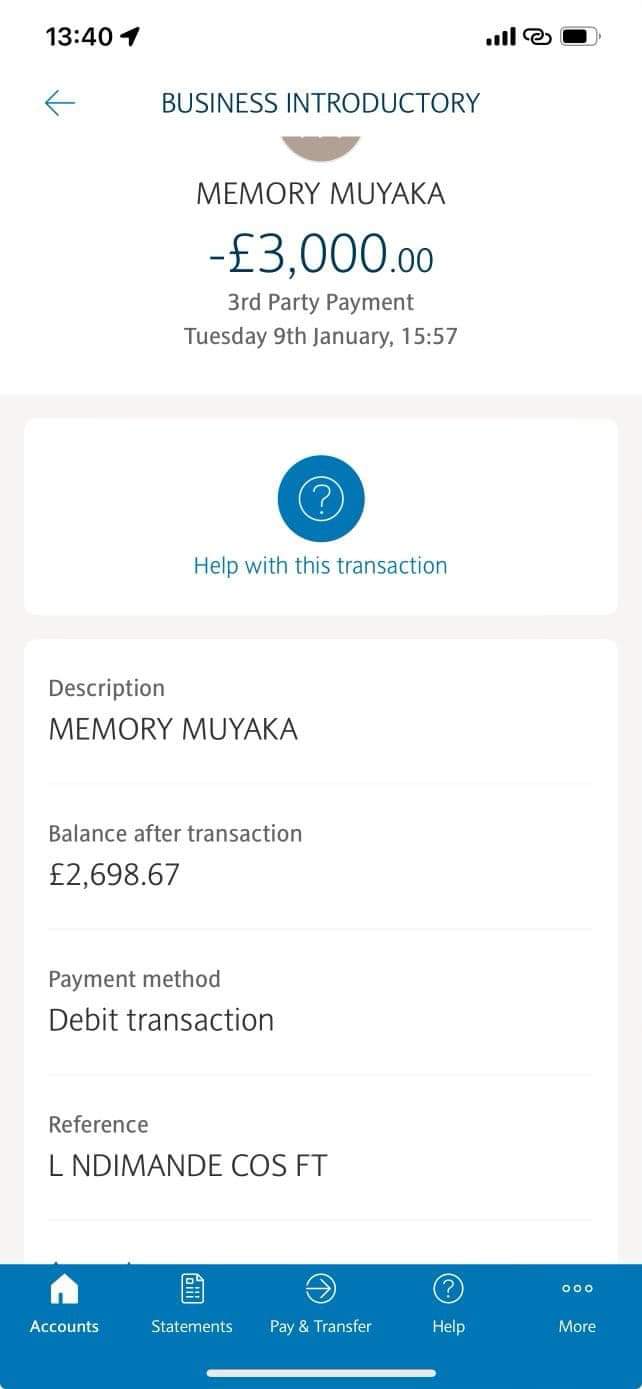
Zvinovhundutsa Mai Maketeni Vobiirawo Vanhu Mari Yema COS Humbowo Hwese Huripo Nema V11 Avaisenderwa Ma 3000usd

Aunt mai machira epamawhindo hanzi dzosai mari faster fasta today I tayanika makutorera VANHU Yemma COS KA😂Aunt mai machira epamawhindo hanzi dzosai mari faster fasta today I tayanika makutorera VANHU Yemma COS KA😂


Please this robber must understand Kuti haana kungomuka achipinzwa mutirongo pasina zvaaita,kubira vanhu Mari dzavo,magonyeti ,Mota kunyebera dzimba dzevanhu Kuti ndedzake zvese izvi it seems hausikuzviziva.Tibvunzireiwo Kuti Mwana akapasa here tifambirane

  • Share:

Info News

Cloud Backup Solutions for Small Business: Protect Your Data Before Disaster Strikes

Every small business depends on data. Customer records, invoices, payroll files, email, contracts, website files, and accounting records are all critical. If that data is lost because of ransomware, hardware failure, accidental deletion, fire, theft, or natural disaster, the business may face serious downtime.

rnrn

Cloud backup solutions help protect important files by copying data to secure off-site storage. Unlike a simple external hard drive, cloud backup can provide automated protection and recovery options from almost anywhere.

rnrn

A good backup strategy should include more than one copy of important data. Many businesses follow the 3-2-1 backup rule: keep three copies of data, use two different storage types, and store one copy off-site. Cloud backup helps with the off-site part of this strategy.

rnrn

Automation is one of the biggest benefits. Employees may forget to manually copy files, but automated backup software can run on a schedule. This reduces the risk of missing important data.

rnrn

Ransomware protection is another key feature. Some backup services offer version history, which allows a business to restore files from a point before the attack. This can be extremely important if files are encrypted or corrupted.

rnrn

When comparing cloud backup providers, look at storage limits, backup frequency, recovery speed, encryption, compliance features, customer support, and pricing. Some providers charge by storage amount, while others charge per device or user.

rnrn

Recovery testing is just as important as backup. A backup is only useful if you can restore it when needed. Small businesses should periodically test file recovery and document the process.

rnrn

Business continuity should also be considered. If a server fails, how quickly can operations continue? Some advanced backup solutions offer disaster recovery features that allow systems to be restored to virtual environments.

rnrn

Security matters because backup data may include sensitive customer and financial information. Look for services that offer encryption during transfer and storage, multi-factor authentication, access controls, and activity logs.

rnrn

Cloud backup is not only for large companies. Small businesses are often more vulnerable because they may not have dedicated IT staff. A reliable backup solution can reduce risk, protect customer trust, and help the business recover faster after a problem.

rnrn

The best time to create a backup plan is before something goes wrong.

rn

Home Equity Loan vs. HELOC: Which Option Is Better?

Homeowners who have built equity may be able to borrow against their home through a home equity loan or a home equity line of credit, commonly called a HELOC. Both options use the home as collateral, but they work differently.

rnrn

A home equity loan provides a lump sum of money that is repaid over a set term with regular monthly payments. Many home equity loans have fixed interest rates, which makes payments predictable. This can be useful for one-time expenses such as a major home improvement project, debt consolidation, or a large planned purchase.

rnrn

A HELOC works more like a credit card. The lender gives you access to a line of credit, and you can borrow as needed during the draw period. HELOCs often have variable interest rates, meaning the payment can rise or fall over time. This flexibility can be useful for ongoing projects or uncertain expenses.

rnrn

The main advantage of a home equity loan is stability. You know how much you borrowed, what your payment is, and when the loan will be paid off. The main disadvantage is that you receive the full amount upfront, even if you do not need all of it immediately.

rnrn

The main advantage of a HELOC is flexibility. You can borrow only what you need, when you need it. The main risk is that variable rates can make payments unpredictable. Some borrowers may also be tempted to keep borrowing, which can increase debt.

rnrn

Before choosing either option, consider the risk. Because the loan is secured by your home, failure to repay could put your home at risk. Borrowing against home equity should be done carefully and for a clear financial purpose.

rnrn

Compare interest rates, fees, repayment terms, draw periods, closing costs, and whether the rate is fixed or variable. Also ask whether there are annual fees, early closure fees, or minimum withdrawal requirements.

rnrn

Home equity borrowing may make sense for improvements that increase property value or for consolidating high-interest debt with a clear repayment plan. It may not be wise for unnecessary spending or short-term lifestyle purchases.

rnrn

The best option depends on your goals. Choose a home equity loan if you need a fixed amount and predictable payment. Choose a HELOC if you need flexible access to funds over time.

rnrn

Before borrowing, compare lenders and review the full cost carefully.

rn