Sunday, November 01

The Chitungwiza

​full video WhatsApp https://whatsapp.com/channel/0029Vb6dxKvFCCoXLbB8dA39The Chitungwiza "Bolt": Drama Erupts as Man Flees Scene in Birthday Suit???????Kanyika kanaka kachatiuraya takavarairwaKusviba kudaro munhu anomhanya uyu

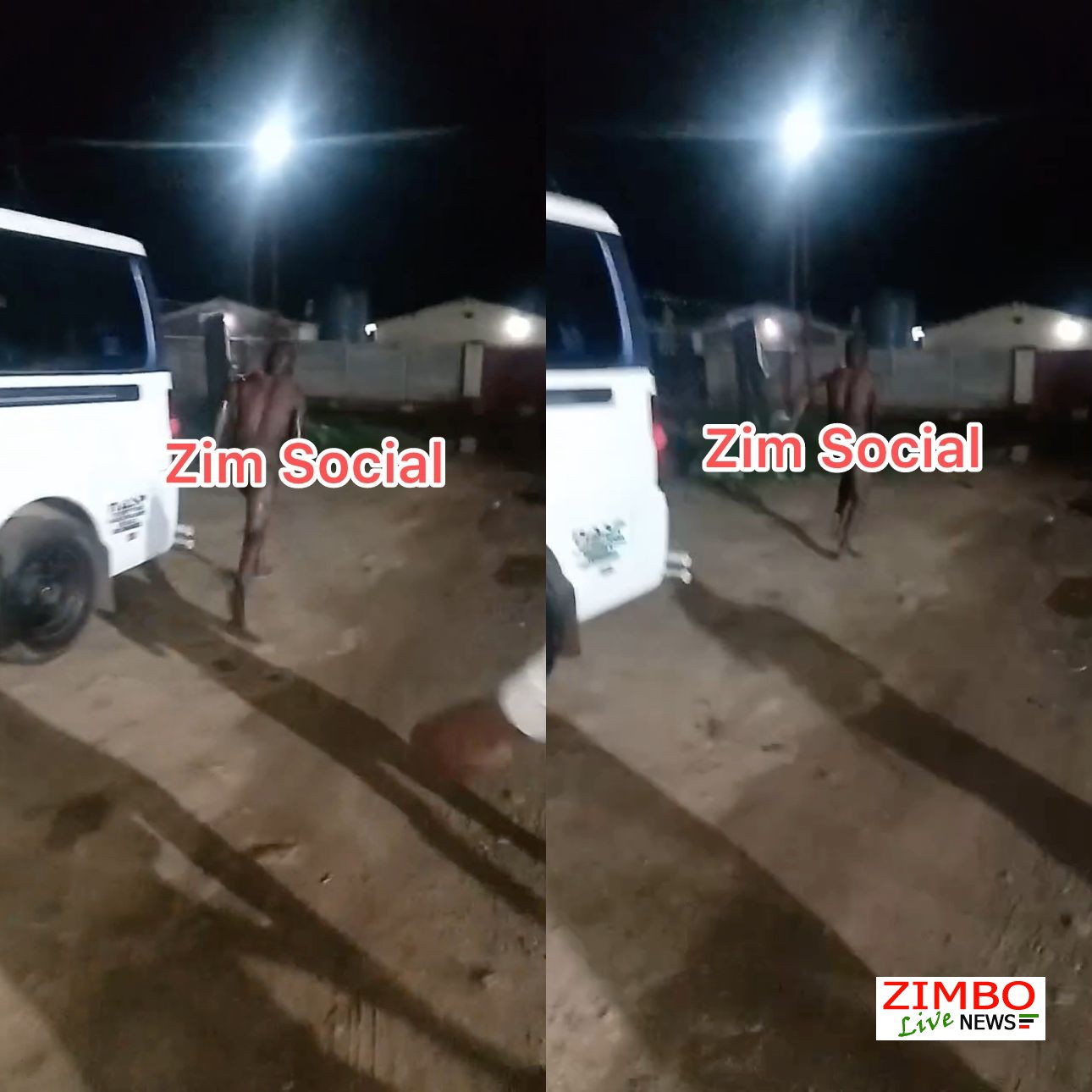
​CHITUNGWIZA – Residents of a local neighborhood were treated to a bizarre spectacle this week when a man was spotted performing a high-speed sprint through the streets, notably lacking any clothing.

​The incident, which has since gone viral on social media, reportedly occurred after the man was caught in a compromising position with a married woman.


​The Great Escape

​According to eyewitnesses and the grainy footage circulating online, the "unlucky" romantic was forced to make a tactical retreat when he was surprised by the sudden arrival of the woman’s husband or relatives.

  • ​The Pursuit: The man didn't wait to explain his side of the story, choosing instead to navigate the dusty roads of Chitungwiza at a pace that would make an Olympic sprinter proud.
  • ​The Crowd: Onlookers can be heard in the background of the videos shouting and whistling as the man dodged a white commuter omnibus (kombi) and vanished into the night.
  • ​The "Kit": Or lack thereof. The man left behind his clothes, shoes, and likely his dignity, opting for a streamlined, aerodynamic getaway.

​Community Reaction

​As is typical with these "caught in the act" stories, the reaction has been a mix of shock and dark humor. While some residents decried the lack of morality, most social media commenters have been more focused on the man's impressive 100-meter dash time.

​"He didn't even look back. That's the kind of cardio you only get from pure, unadulterated fear," one resident joked.


​The Aftermath

​While the identity of the "Chitungwiza Runner" hasn't been officially confirmed in the public eye, the video remains a trending topic across Zimbabwean social circles. It serves as a stark (and naked) reminder that in the age of smartphones, there is no such thing as a "secret" affair when you have to run past a kombi to get away.

  • Share:

Info News

Product Liability Class Action Lawsuit: Defective Product Claims

product liability class action, defective product lawsuit, product defect lawyer, dangerous product class action, consumer product lawsuit, recall lawsuit attorney

rnrn

Product Liability Class Action Lawsuit: Defective Product Claims

rnrn

When a product fails, one customer may ask for a refund. But when the same defect affects thousands of customers, a product liability class action lawsuit may follow.

rnrn

These cases may involve vehicles, appliances, electronics, medical devices, household products, baby products, food, cosmetics, tools, or other consumer goods.

rnrn

A product liability class action can help consumers seek compensation, repairs, replacements, refunds, or safety changes.

rnrn

What Is a Product Liability Class Action?

rnrn

A product liability class action is a lawsuit involving a product that allegedly has a common defect affecting many people.

rnrn

The defect may involve:

rnrn

Design flaw
rnManufacturing defect
rnFailure to warn
rnFalse advertising
rnPremature failure
rnSafety hazard
rnWarranty violation
rnHidden defect

rnrn

The key issue is whether the defect is common across the class.

rnrn

Common Product Defect Examples

rnrn

Product class actions may involve:

rnrn

Cars with defective parts
rnAppliances that fail early
rnElectronics with battery problems
rnContaminated products
rnFaulty medical devices
rnUnsafe children’s products
rnDefective home equipment
rnMisleading product claims
rnWarranty coverage disputes

rnrn

Not every recall creates a lawsuit, and not every lawsuit involves a recall.

rnrn

What Evidence Should Consumers Keep?

rnrn

If you believe a product is defective, save:

rnrn

Proof of purchase
rnReceipts
rnWarranty documents
rnPhotos
rnVideos
rnRepair records
rnCustomer service emails
rnProduct packaging
rnSerial numbers
rnModel numbers
rnRecall notices
rnMedical bills if injured
rnReplacement costs

rnrn

Evidence can help show when you bought the product, what happened, and what damages you experienced.

rnrn

What Can a Product Class Action Settlement Provide?

rnrn

Depending on the case, settlement benefits may include:

rnrn

Cash refunds
rnRepairs
rnReplacement products
rnExtended warranties
rnReimbursement for repairs
rnSafety inspections
rnRecall support
rnProduct credits
rnWarning label changes

rnrn

The settlement terms depend on the case.

rnrn

Defective Product Injury Claims

rnrn

Some product cases involve only economic loss, such as paying for a product that failed early.

rnrn

Others involve physical injury. Injury claims may be more individualized and may require separate legal review.

rnrn

If you were seriously injured by a product, speak with a product liability attorney before signing a class action release.

rnrn

Warranty Claims

rnrn

Many product class actions involve warranties.

rnrn

A company may be accused of:

rnrn

Refusing warranty coverage
rnConcealing known defects
rnSelling products with short useful life
rnMisrepresenting durability
rnCharging for repairs that should be covered

rnrn

Warranty law can vary by state.

rnrn

Product Recalls and Lawsuits

rnrn

A recall can be important evidence, but it does not automatically mean every consumer has the same legal claim.

rnrn

If a product is recalled, follow official safety instructions. Keep all recall documents.

rnrn

Questions to Ask a Lawyer

rnrn

Ask:

rnrn

Is the defect common?
rnAre other consumers affected?
rnIs there a recall?
rnWhat law applies?
rnDo I need repair records?
rnShould I keep the product?
rnCould I have an individual injury claim?
rnWhat rights would I give up in a settlement?

rnrn

Final Thoughts

rnrn

A product liability class action lawsuit may help consumers recover money or force companies to fix widespread defects.

rnrn

If a product failed, caused damage, or did not perform as advertised, keep records and check whether others experienced the same issue.

rnrn

A pattern of harm is what can turn a product complaint into a class action case.

rn

Personal Injury Lawyer Questions Before Hiring

After an accident, choosing a personal injury lawyer can feel overwhelming. You may be dealing with medical appointments, missed work, insurance calls, vehicle repairs, pain, and uncertainty about what happens next. A lawyer can help with claim strategy, evidence, deadlines, negotiations, and litigation, but not every attorney is the right fit for every case.

The first question is experience. Ask whether the attorney has handled cases similar to yours. A car accident case is different from a trucking accident, medical malpractice claim, workplace third-party claim, defective product case, or premises liability case. Similar case experience can help the lawyer understand evidence, expert witnesses, insurance tactics, and likely challenges.

Next, ask who will actually handle the file. In some firms, the lawyer you meet may not be the person managing daily communication. Paralegals, case managers, associates, and investigators may all be involved. That is normal, but you should know who your main contact will be and how often you will receive updates.

Fees are important. Many personal injury lawyers work on a contingency fee, meaning they are paid a percentage of the recovery if money is obtained. Ask what percentage applies, whether it changes if a lawsuit is filed, and how case expenses are handled. Expenses may include filing fees, medical records, depositions, expert witnesses, investigation, and trial exhibits. Ask whether expenses are deducted before or after the attorney fee and whether you owe expenses if there is no recovery.

Ask about the strength and weakness of your case. A trustworthy lawyer should not promise a guaranteed result. They should discuss liability, damages, insurance limits, prior injuries, medical documentation, comparative fault, witness issues, and possible defenses. If a lawyer only tells you what you want to hear, be cautious.

Evidence can determine the outcome of a claim. Ask what evidence should be gathered immediately. This may include accident reports, photographs, video footage, witness statements, medical records, employer wage records, vehicle data, inspection records, maintenance records, or property incident reports. Some evidence can disappear quickly, so early action matters.

Medical treatment is another key topic. Personal injury claims often depend on documented injuries, treatment consistency, diagnosis, prognosis, and how the injury affects daily life. Follow medical advice and keep records of appointments, prescriptions, therapy, restrictions, and out-of-pocket expenses. Do not exaggerate, but do not minimize symptoms either.

Ask how the attorney evaluates settlement offers. A settlement should consider medical bills, future care, lost income, reduced earning capacity, pain and suffering, property damage, permanent impairment, and other legally recognized damages. The exact rules vary by state and case type. The attorney should explain the factors, not just give a quick number.

Timeline is another area to discuss. Some claims settle in months, while others take much longer, especially if injuries are serious or liability is disputed. A lawyer may recommend waiting until you reach maximum medical improvement before settlement so future medical needs are clearer. Settling too early can be risky because you usually release claims permanently.

Communication expectations should be clear. Ask how quickly calls or emails are returned, whether the firm uses a client portal, and what updates you will receive. A good lawyer-client relationship requires trust, responsiveness, and organized documentation.

You should also ask whether the lawyer is prepared to file a lawsuit if necessary. Many cases settle, but the willingness and ability to litigate can affect negotiation leverage. Ask about trial experience, recent results, and how the firm prepares cases.

This article is general information, not legal advice. Personal injury laws, deadlines, damages, and fault rules vary by state. Speak with a licensed attorney in your jurisdiction to understand your rights. The best lawyer for your case is someone with relevant experience, clear communication, transparent fees, and a realistic plan for proving your claim.