Wednesday, September 23

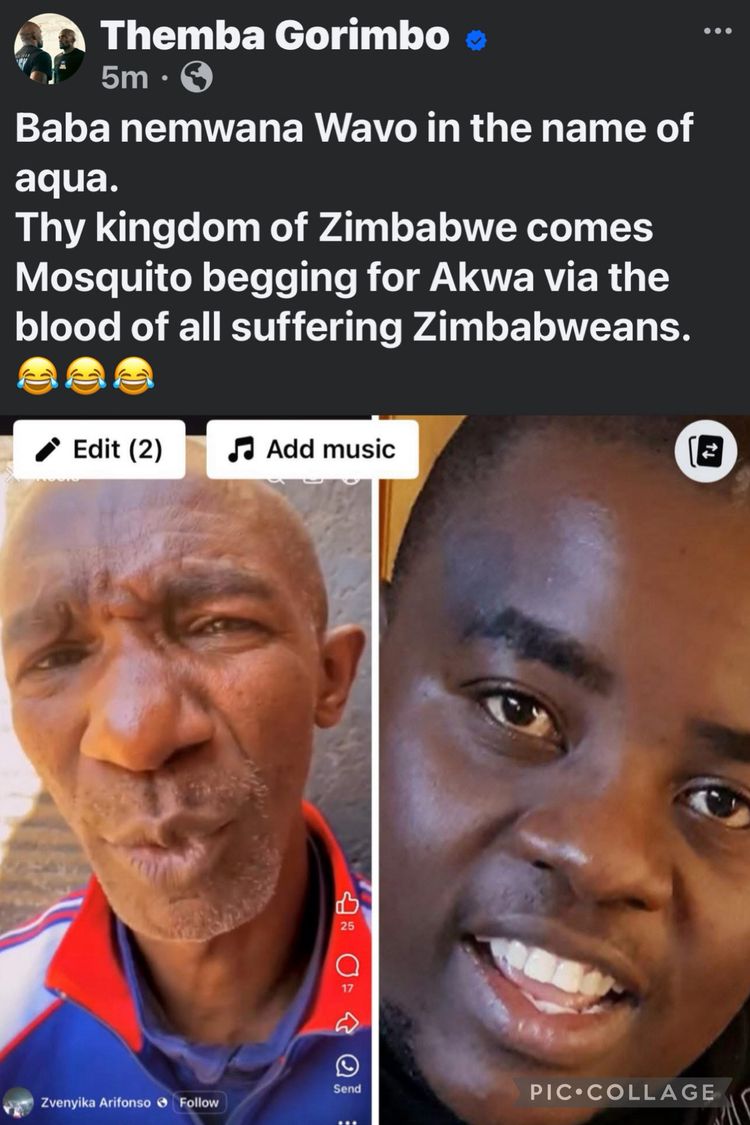
Mosquito Begs Aqua From Wicknell

Baba nemwana Wavo in the name of aqua.
Thy kingdom of Zimbabwe comes Mosquito begging for Akwa via the blood of all suffering Zimbabweans.
😂😂😂


  • Share:

Info News

Artificial Intelligence and the Future of Human Civilization

Artificial Intelligence (AI) has become one of the most transformative technologies in human history. From healthcare and education to banking and transportation, AI systems are changing how people live, work, and communicate. Businesses worldwide are investing heavily in machine learning, automation, robotics, and data analysis technologies designed to improve efficiency and reduce operational costs. Experts believe artificial intelligence will continue reshaping industries over the next several decades, making it one of the most important topics in modern society.

rnrn

One of the biggest advantages of artificial intelligence is its ability to process enormous amounts of information quickly and accurately. In healthcare, AI-powered systems assist doctors with medical diagnoses, patient monitoring, and drug development. Hospitals use machine learning tools to identify diseases earlier and improve treatment outcomes. In education, AI-driven learning platforms personalize lessons for students based on their strengths and weaknesses, helping improve academic performance.

rnrn

The business sector has also experienced major changes due to AI innovation. Companies use artificial intelligence to automate customer service, detect fraud, improve cybersecurity, and optimize marketing campaigns. Online shopping platforms rely on AI algorithms to recommend products to customers based on browsing history and preferences. Social media companies also use machine learning systems to personalize content and advertisements for users worldwide.

rnrn

Despite its advantages, artificial intelligence raises serious concerns about privacy, job displacement, and ethical responsibility. Many workers fear automation could replace traditional jobs, especially in manufacturing and administrative sectors. Experts argue that governments and educational institutions must invest in digital skills training to prepare workers for future employment opportunities. Responsible AI development and proper regulation will play a critical role in ensuring that technology benefits society while minimizing risks.

rn

Small Business Insurance Checklist: Coverage to Compare

Small business insurance is one of those expenses many owners do not think about until a contract, landlord, lender, or unexpected claim forces the conversation. The problem is that buying coverage in a rush can lead to gaps, duplicate policies, or limits that look affordable but do not match the real risk of the business. A better approach is to understand the major coverage types, compare quotes carefully, and ask the right questions before signing.

A good business insurance plan starts with general liability coverage. This is the policy many clients and property managers request first because it can help cover claims involving bodily injury, property damage, and certain advertising-related issues. For example, if a customer slips inside a store, or a contractor accidentally damages a client's property, general liability may help with legal defense costs and covered settlements. The exact protection depends on the policy language, limits, exclusions, and state rules.

Many businesses also need commercial property insurance. This can protect buildings, equipment, inventory, furniture, tools, signage, computers, and other business property against covered events. A home-based business should not assume a homeowners policy automatically protects business equipment or customer-related activity. If you work from home, ask the insurer how business property and business liability are handled.

A business owners policy, often called a BOP, can package general liability and property coverage into one policy. It is usually designed for smaller companies with standard risk profiles. A BOP can be convenient, but it is not always enough. Restaurants, contractors, transportation companies, medical offices, and technology providers may need extra endorsements or separate policies.

Professional liability insurance is important for businesses that give advice, provide technical services, design solutions, manage accounts, or deliver professional work where a mistake could cost the client money. This coverage is also called errors and omissions insurance. Consultants, IT providers, accountants, real estate professionals, marketing agencies, engineers, and financial professionals often review this coverage because general liability may not cover professional mistakes.

Workers compensation is another major area. If a business has employees, state law may require workers compensation coverage. It can help pay covered medical costs and lost wages when an employee is injured on the job. Even if your state rules are limited for very small businesses, clients may still require proof of coverage before allowing your team on site.

Cyber liability insurance has become more important because even small businesses store customer records, accept online payments, use email, and depend on cloud platforms. A cyber policy may help with incident response, legal costs, customer notification, data recovery, business interruption, ransomware response, and regulatory issues. Coverage varies widely, so ask what counts as a covered cyber event and whether social engineering, wire transfer fraud, and business email compromise are included.

Commercial auto insurance is necessary when vehicles are used for business. A personal auto policy may not cover business driving, especially deliveries, transporting equipment, or employee use. If employees use their own cars for company errands, ask about hired and non-owned auto coverage.