Godwin Baguma, a resident of Kijura Central Cell in Central Division, had been missing for several weeks, sparking growing concern among his family and neighbours. Baguma, who is said to have a mental health condition, disappeared without notifying anyone, prompting a desperate search. The situation took a tragic turn when police recovered a decomposing body from a sugarcane plantation in Kisanja Cell.
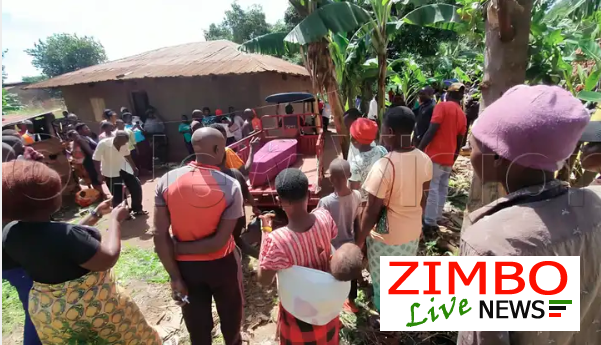
The remains were transported to Masindi Hospital mortuary, where authorities called on families with missing loved ones to assist in identification. Baguma’s father, Yakobo Kamuturaki, recounted the painful moment the family was informed. Unable to view the body himself, he sent his sons to the mortuary. They later returned with devastating news. “We were told the body was in a bad state. My sons went and identified it as their brother. We believed them and accepted that he was dead,” he said.
With the body already badly decomposed, the family moved swiftly to arrange a burial as word spread quickly through the surrounding areas, drawing mourners who gathered to pay their last respects. On Sunday, April 19, Baguma was laid to rest, with final funeral rites scheduled for Monday 20th. But what followed stunned the entire community.
As preparations for the final rites got underway, reports began circulating that Baguma had been spotted alive in the neighbouring village. “At first, we dismissed it as rumours. We had already buried the body. But we decided to go and confirm,” said his sister, Jane Birungi.
Family members rushed to the location, only to find Baguma alive. It is understood he had spent the night at a friend’s home. “When we saw him, we were shocked. We could not believe it was him standing there alive,” Birungi said. Baguma was immediately taken back home, bringing the funeral proceedings to an abrupt and bewildering halt. The shocking discovery forced the family into an emotional and complicated process, exhuming the body they had already buried. With the new development, it has now emerged that the remains, once believed to be Baguma’s, belong to an unidentified individual.
Police have since confirmed the incident and launched investigations to establish the true identity of the body. Solomon Mugisa, the Albertine North Regional Community Liaison Officer and acting police spokesperson, said the remains had been recovered on Friday before being misidentified. He confirmed that the family has withdrawn their initial identification, and the body has since been exhumed and returned to Masindi Hospital mortuary. Police are now urging the public to exercise extreme caution when identifying bodies, particularly those in advanced stages of decomposition. “In such situations, identification must be done carefully, and families should work closely with medical personnel to avoid such mistakes,” Mugisa advised. He further emphasised that proper legal procedures must be followed during exhumations, including obtaining court orders and involving relevant authorities.
Info News
The Importance of Financial Literacy in Modern Society
Financial literacy is the ability to understand and manage personal finances effectively. It includes budgeting, saving, investing, debt management, and financial planning. In today’s economy, financial literacy has become increasingly important as individuals face rising living costs, complex financial products, and growing economic uncertainty.
rnrn
One of the key benefits of financial literacy is improved money management. Individuals who understand budgeting and saving strategies are better prepared to handle emergencies and achieve long-term financial goals. Financial education also helps consumers avoid excessive debt and make informed decisions regarding loans, mortgages, and investments.
rnrn
Many young adults struggle with financial management due to limited education about personal finance. Schools and educational institutions are increasingly recognizing the importance of teaching financial literacy to students. Topics such as credit scores, retirement planning, taxes, and responsible spending habits can help individuals build stronger financial futures.
rnrn
Technology has made financial management more accessible through mobile banking apps, investment platforms, and budgeting tools. Consumers can now monitor expenses, transfer money, and manage savings directly from smartphones. However, financial scams and online fraud continue increasing, making financial awareness even more essential.
rnrn
Experts emphasize that financial literacy contributes to economic stability and personal independence. Individuals who develop strong financial habits are more likely to achieve financial security and avoid long-term economic hardship.
rn
Structured Settlement vs Lump Sum Payment
Structured Settlement vs Lump Sum Payment
A structured settlement pays money over time instead of giving the full amount upfront. Structured settlements are common in injury cases, insurance claims, and lawsuit settlements.
A lump sum settlement pays all the money at once. Both options have benefits and risks.
Benefits of Structured Payments
Structured payments can provide steady income and help prevent spending the money too quickly. They may be helpful for future medical care, living expenses, or long-term support.
Benefits of Lump Sum Payments
A lump sum gives immediate access to cash. This may help pay off debt, buy a home, cover medical bills, or invest.
However, receiving all the money at once requires strong financial discipline.
Selling a Structured Settlement
Some people sell future payments for cash now. This can provide quick money, but the amount received may be less than the total future value.
Conclusion
Before choosing or selling a settlement, consider long-term needs and speak with a financial professional.


